Many parents want to teach Islam to their children well.
But sometimes, it can feel like pressure.
Pressure to:
- explain everything perfectly
- have all the answers
- create formal lessons
- keep children constantly engaged
And when life is already busy, this can quickly start to feel overwhelming.
But often, children are not looking for perfection.
They are looking for connection.
Children Learn Islam Through Experiences
When we think back to our own childhoods, we rarely remember long explanations.
We remember moments.
The feeling of:
- hearing Quran at home
- making dua together
- visiting the masjid
- hearing stories of the Prophets
- preparing for Ramadan or Eid
These moments stay in the heart.
And that is something important to remember when teaching Islam to children.
Faith is not only taught through information.
It is also taught through experiences.
Why Meaningful Moments Matter
Children often learn best when they can:
- see
- touch
- experience
- participate
This is why simple Islamic activities can be so powerful.
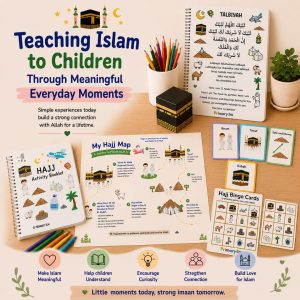
A child may not remember every detail you explain about Hajj…
But they may remember:
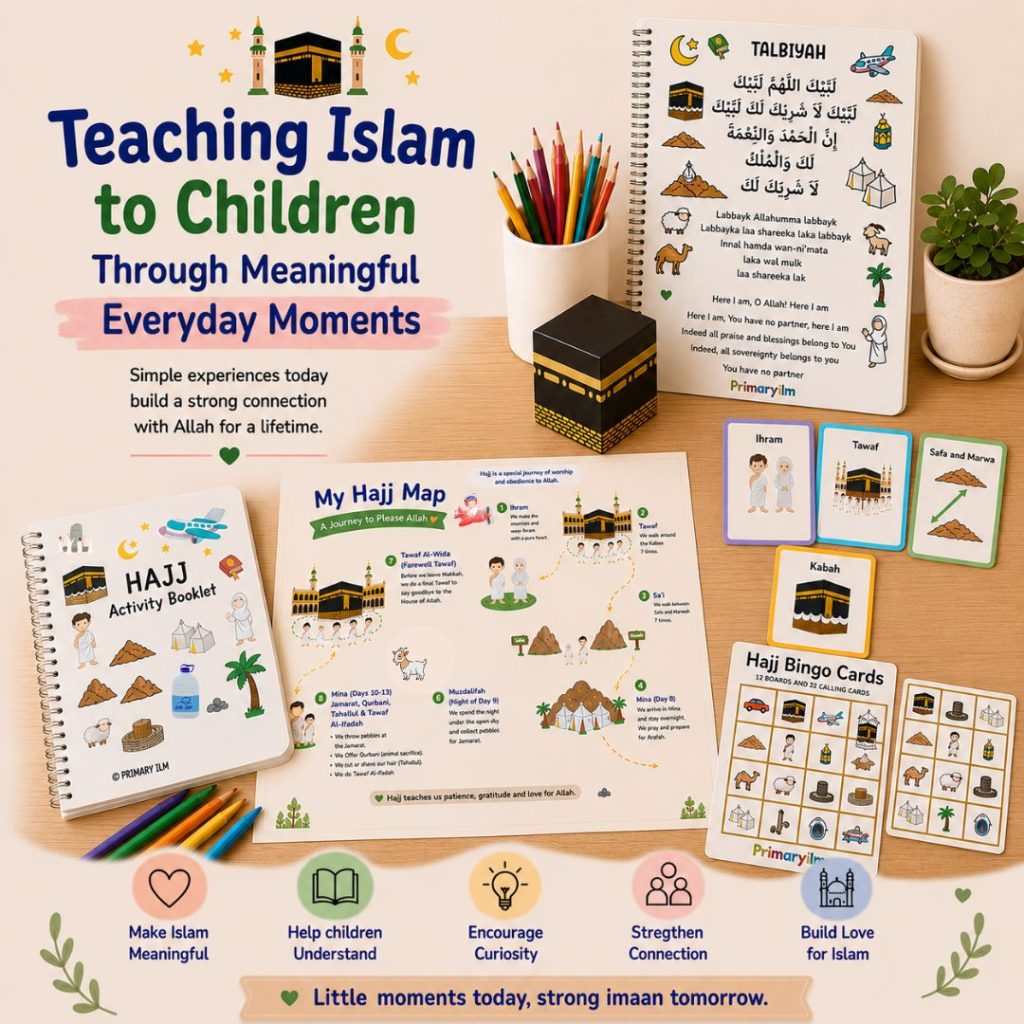
- walking around a mini Kaaba
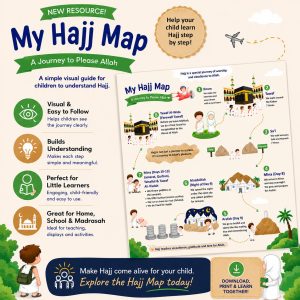
- following a Hajj map
- colouring while talking about Makkah
- listening to stories together
And through those small moments, understanding slowly grows.
Teaching Islam Through Everyday Activities
Simple activities can help children connect to Islam in a natural and meaningful way.
This could look like:
- using visual resources
- role play
- storytelling
- crafts and colouring
- conversations during daily life
The goal is not to make everything feel academic.
The goal is to help children feel:
- connected
- familiar with Islam
- comfortable asking questions
- emotionally attached to their deen
Small Moments Can Have a Big Impact
Sometimes we underestimate the small things.
But children often remember:
- how learning made them feel
- the warmth of shared experiences
- the excitement of doing something together
These are the moments that help build love for Islam over time. I remember as a child, my anty telling us stories before bedtime. The stories always had a moral theme and we loved laying in the dark, drifting off to sleep with her words surrounding us. Me, my siblings and cousins would often dream of characters from the story which made the nights feel almost magical.
Making Islamic Learning Easier
One of the reasons I create child-friendly Islamic resources is to help make these moments easier to create.
Simple visual activities can help children:
- understand big concepts
- stay engaged
- enjoy learning about Islam
For example, during Hajj season, simple resources like:
- Hajj maps
- mini booklets
- colouring pages
- flashcards
can help children connect to what they are learning in a way that feels meaningful and memorable.
👉 [Explore the Hajj resources here]
You Do Not Need to Be Perfect
Teaching Islam to children is not about creating perfect lessons.
It is about consistency, connection, and small meaningful efforts over time.
Even short moments:
- a conversation before bed
- a simple activity
- a story during the day
can leave a lasting impact.
Final Thoughts
Children may not remember every explanation we give.
But they often remember how Islam felt in their home
You May Also Enjoy
👉 How to Explain Hajj to Children
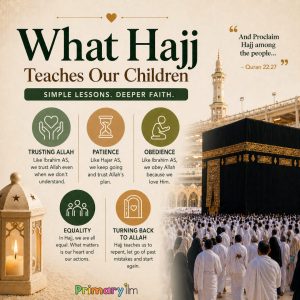
👉 What Hajj Teaches Our Children
👉 A Simple Hajj Map Activity for Children
Sign up to our monthly mailing list below to receive free downloads and updates. Register to access the free resources that are available to download on our website here. Follow along on instagram and Pinterest for instant updates on resources. Looking to join the Primary ilm membership, click here!