
If you’ve ever found yourself wondering what to do when kids don’t want to pray, you’re not alone. Many parents experience moments where their child resists salah, gets distracted, or openly says, “I don’t want to.”
This can feel worrying, especially when we care deeply about our children’s relationship with Allah. But the truth is, resistance at a young age is very common, and it doesn’t mean you’ve failed as a parent.
Learning salah is a journey, and children move through it at different paces. Here are some gentle, realistic ways to encourage salah when kids don’t want to pray (without pressure or fear).
Looking for the Salah journal? Download it here.
1. Talk About the Beauty and Rewards of Salah
When kids don’t want to pray, it’s often because they don’t yet understand why salah matters.
Rather than focusing on obligation or consequences, talk to them about the beauty and rewards of salah in a way they can understand.
You might say things like:
- “Salah is a special time when we talk to Allah.”
- “When we pray, Allah listens to us.”
- “Salah brings barakah and calm into our hearts.”
- “Allah loves when we make sujood to Him.”
For younger children, keep it short and positive.
For older children, you can explain that salah:
- brings reward from Allah
- wipes away sins
- helps us feel calm and guided
- strengthens our relationship with Allah
When children begin to see salah as something rewarding, comforting, and loving, their attitude towards prayer slowly shifts.
Instead of “I have to pray,” it becomes:“I get to pray.”
2. Start Smaller Than You Think
One of the biggest mistakes parents make when kids don’t want to pray is expecting too much, too soon.
For younger children and even some primary-age children, starting with all five daily prayers can feel overwhelming. Instead, try:
- focusing on one prayer a day, or
- encouraging one rak‘ah, or
- inviting them to simply stand beside you
Progress matters more than completion at this stage. Small steps build confidence and familiarity.
3. Understand That Distraction Is Part of Learning
When kids don’t want to pray, it often shows up as distraction rather than refusal.
You might see:
- fidgeting
- wandering off
- copying movements incorrectly
- whispering or playing
For toddlers, copying movements is learning.
For older children, distraction often means they need shorter, calmer exposure. In some cases, it may also reflect overstimulation from constant background noise or screens. When this happens, gently encouraging them to remain with salah a little longer can actually help soothe their nervous system and bring a sense of calm.
Instead of correcting constantly, allow space for learning through observation and repetition.
4. Never Use Salah as a Punishment
One of the most important principles in Islamic parenting is this:
salah should never be linked to punishment or anger.
When prayer becomes associated with frustration or discipline, children begin to resist it emotionally. Even if intentions are good, this can create long-term negative feelings around salah.
Keep boundaries and discipline separate from prayer time.
5. Change the Language You Use
When kids don’t want to pray, the words we choose matter more than we realise.
Instead of commands like:
- “Go and pray now.”
Try invitations such as:
- “Come pray with me.”
- “Let’s stand together.”
- “Would you like to do sujood with me?”
This approach works well for both toddlers and primary-age children and helps prayer feel like a shared moment, not a demand.
6. Remember That Love Comes Before Obligation
Before salah becomes an obligation, it must become familiar, safe, and loved.
Children who grow up seeing salah as:
- calm
- consistent
- gentle
- part of daily life
are far more likely to embrace it willingly as they grow older.
If you’re navigating a stage where kids don’t want to pray, remind yourself:
you are planting seeds, not enforcing results.
Supporting Your Child With Resources
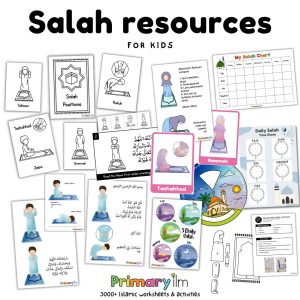
Visual and child-friendly tools can make salah feel less intimidating and more approachable. Inside the Primary Ilm membership, you’ll find:
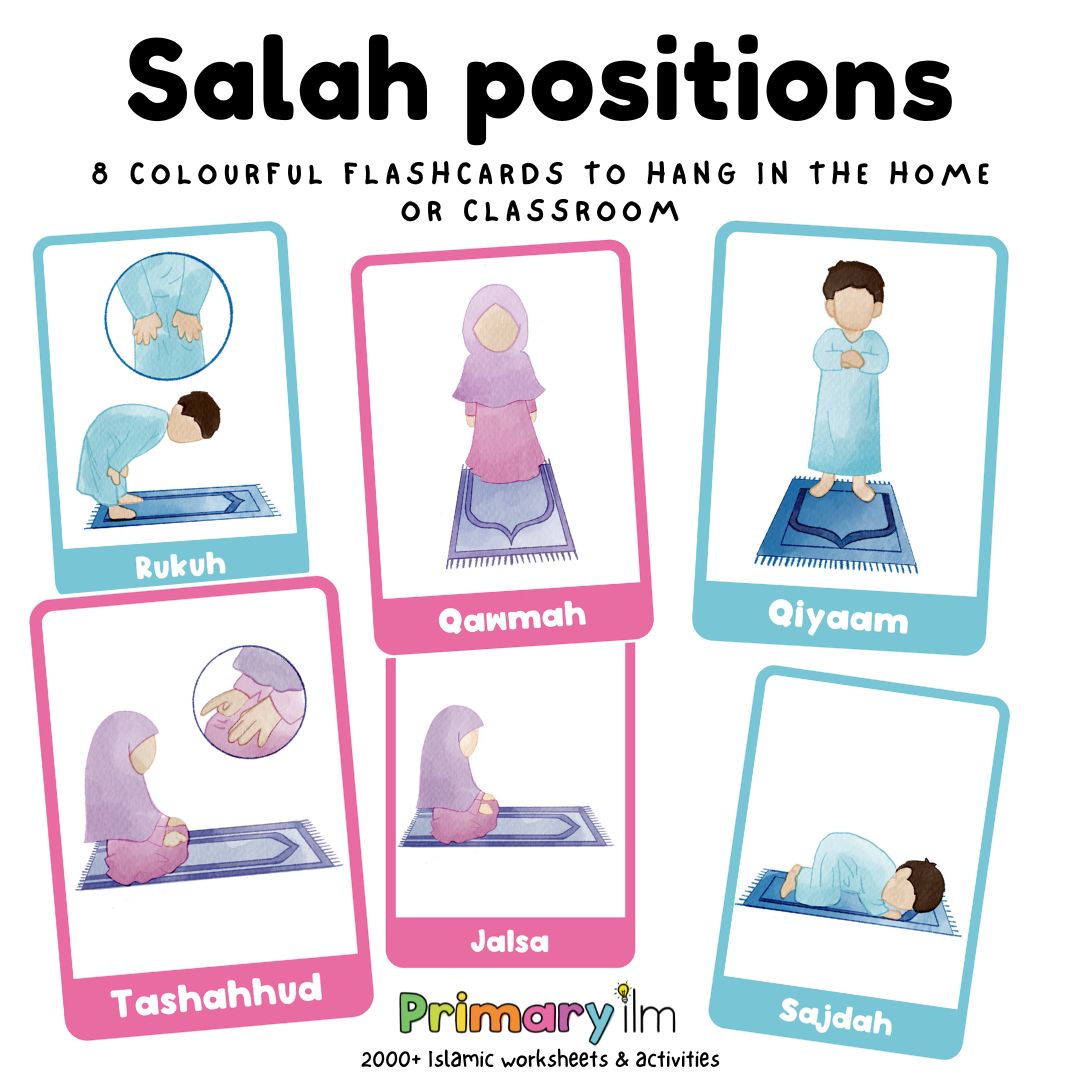
- child-friendly salah posters
- step-by-step wudu guides
- prayer sequence visuals
- beginner-level salah sheets
These resources are designed to support children gently, without pressure.
Final Thoughts
When kids don’t want to pray, it’s easy to feel discouraged. But resistance doesn’t mean rejection, it often means your child is still learning, growing, and finding their way.
With patience, consistency, and a gentle approach, salah can become something your child feels drawn to rather than pushed toward.
May Allah place barakah in your efforts and make salah a source of peace in your home, insha’Allah.
Sign up to our monthly mailing list below to receive free downloads and updates. Register to access the free resources that are available to download on our website here. Follow along on instagram and Pinterest for instant updates on resources. Looking to join the Primary ilm membership, click here!