Learning how to build a salah routine for kids can feel overwhelming for many parents. We want our children to pray, but we also want them to feel calm, connected, and positive about salah (not stressed or resistant).
The good news is: building a salah routine doesn’t require strict schedules or perfection. It starts with small, consistent steps that grow naturally over time.
Here’s a gentle, realistic approach to help children from toddlers to primary age, build a healthy relationship with salah.
Looking for the Free Salah Tracker? Download here!
1. Start With Familiarity, Not Consistency
When thinking about how to build a salah routine for kids, it’s important to remember that familiarity comes before routine.
Before expecting consistency:
- let children see salah regularly
- let them join in for short moments
- let prayer feel normal and safe
For toddlers, this might mean copying sujood or standing beside you.
For older children, it might mean joining for one rak‘ah or one prayer a day.
At this stage, exposure matters more than frequency.
2. Choose One Prayer to Focus On
Instead of expecting all five prayers, choose one prayer to build consistency around.
You could start with:
- Maghrib (because everyone is home)
- Isha (make it part of the bedtime routine)
Focusing on one prayer helps children feel successful and confident. This is key when building a salah routine for kids.
3. Keep Expectations Age-Appropriate
A successful salah routine looks different at different ages.
- Toddlers: copying movements, short attention spans, joining briefly
- Younger children: standing quietly, learning basic positions
- Primary-age children: beginning to remember words and sequences
Distraction is normal.
For younger children, copying is learning.
For older children, distraction can sometimes signal overstimulation and a calmer, quieter salah environment may actually help them settle.
4. Use Visual Support to Build Routine

Visual tools help children understand what’s expected without constant reminders.
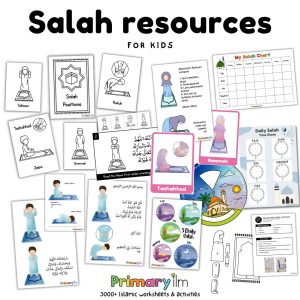
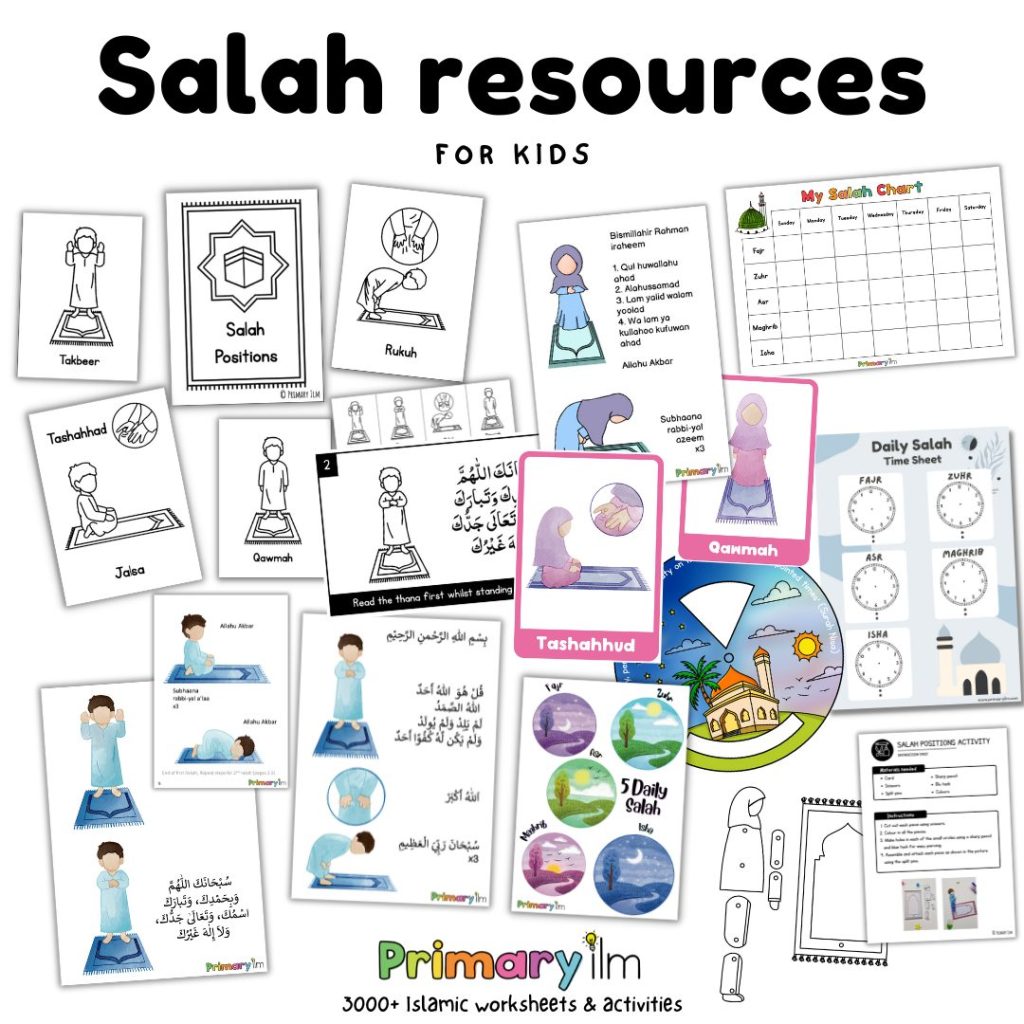
A child-friendly salah chart can:
- help children recognise salah as part of their day
- encourage effort rather than perfection
- support routine gently, without pressure
Some families use charts daily, others weekly; both approaches are valid.
The goal isn’t ticking every box, but creating awareness and consistency.
👉 Download the free Child-Friendly Salah Chart here
5. Avoid Turning Salah Into a Reward System
While charts can be helpful, it’s important that salah doesn’t become something children do only for rewards.
Instead of prizes, focus on:
- praise for effort
- positive words
- gentle encouragement
- reflection (“How did it feel today?”)
This helps children internalise salah as meaningful, not transactional.
6. Talk About the Beauty and Rewards of Salah
As children grow, understanding why we pray becomes important.
Talk to them about:
- how salah is a special time to talk to Allah
- how Allah listens and rewards prayer
- how salah brings calm, guidance, and barakah
When children begin to see salah as something beautiful and rewarding, routine develops more naturally.
7. Be Patient as Routine Takes Time
If you’re learning how to build a salah routine for kids, remember this:
Routine is not built in days, it’s built through consistent, loving exposure.
There will be ups and downs.
Some weeks will feel easier than others.
This is normal.
What matters most is the tone around salah. Keep your tone calm, encouraging, and steady.
Supporting Your Child With Resources
Inside the Primary Ilm membership, you’ll find resources designed to support children gently, including:
- child-friendly salah posters
- step-by-step wudu guides
- prayer sequence visuals
- beginner salah sheets
These tools help make salah feel clear, calm, and approachable for children at every stage.
Learning how to build a salah routine for kids is less about strict rules and more about nurturing love, familiarity, and consistency.
With patience, realistic expectations, and gentle support, salah can become a natural and meaningful part of your child’s day insha’Allah.
Sign up to our monthly mailing list below to receive free downloads and updates. Register to access the free resources that are available to download on our website here. Follow along on instagram and Pinterest for instant updates on resources. Looking to join the Primary ilm membership, click here!